
Power Press Inspection
Power Press Inspection
Power presses are amongst some of the most dangerous machines, causing many accidents when not properly used or maintained. BTIS has the expertise to identify and report any issues in power presses to ensure their safe operation.
What is Power Press Inspection?
Under PUWER 1998, a “power press” is defined as a press or press brake for the working of metal by means of tools or for die proving. This type of equipment is power driven, embodying a flywheel and a clutch. Power Press Inspection is carried out to ensure power presses are maintained for safe use.
PUWER states that power presses with certain guards must be inspected at least every 6 months. Power presses with fixed guards or enclosed tooling should be examined every 12 months by a competent professional.
Power press examinations are referred to in the Health and Safety Executive Guidance Note HSG236. To thoroughly examine one, all of its internal and external parts must be carefully inspected. The inspection should be conducted using non-destructive methods, such as magnetic particle testing.
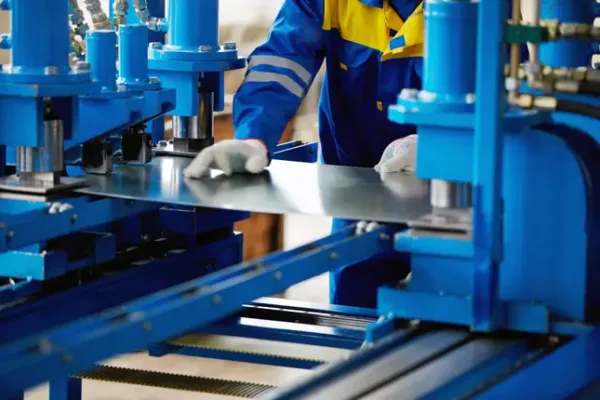
PUWER 1998: Power Press Inspection
The Provision and Use of Work Equipment Regulations (PUWER) 1998 was introduced to ensure the safe use of workplace equipment and machinery, including power presses. The regulations apply to employers, employees, and self-employed who may own or operate work equipment.
Regulation 32 of PUWER covers the safe use of power presses, specifically establishing requirements for the applicable machines and periodic examination. Such inspections must be thorough, applying to all parts of the machine, and carried out by a independent assessor.
HSG236 Thorough Examination
A maintenance and thorough examination (HSG236) will detect and report deterioration that may affect the safety of people working with or nearby machinery. Results from the inspection will inform actionable steps to eliminate or control any identified risks.
Deterioration may include:
The inspection of electrical systems involves checking electrical control circuits. The process requires having current circuit diagrams available for the assessor.
An examination is required initially on the commissioning of the power press. At this stage, specific tests will take place to ensure the equipment will operate safely, reliably, and as intended. The machine should then be periodically inspected for further issues.

Common defects of Power Presses
Damaged Protective Guards
Protective guards are pullback safety bars that prevent the operators hands from coming into contact with the press. Damaged or disabled guards pose a significant risk by enabling entanglement with moving machine parts.
Cracks in the Clutch Key
The clutch key experiences dynamic stress during operation, leading to increased wear and tear over time. Ineffective clutch keys can cause a non-promulgated loss of production, which can be prevented by early repair.
Broken Foot Shroud
Foot shrouds are fitted to prevent the accidental use of the press, ensuring only deliberate operation can be performed. If the foot shroud is damaged, the press could run without proper safety measures and become a potential danger.